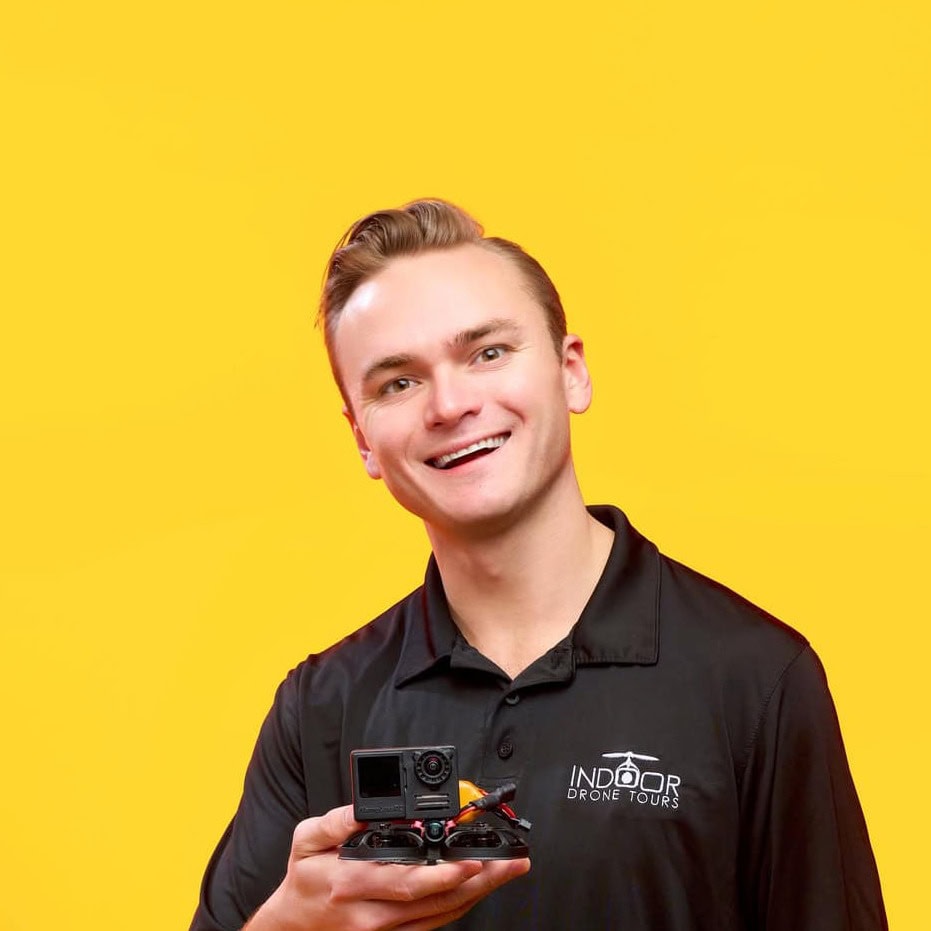












Tools for Creating Effective Aerial Video Content
Author: Indoor Drone Tours
Posted 17 May 2026Creating compelling aerial video content is no longer reserved for seasoned filmmakers or large production companies. With the advent of accessible drone technology and user-friendly editing software, anyone can produce captivating aerial footage. This article will explore various tools for creating effective aerial video content, emphasizing their benefits and how they elevate property marketing.
Understanding Aerial Video Content
Aerial video content utilizes footage captured from drones to provide unique perspectives that traditional photography may not convey. This mode of storytelling is particularly beneficial in the commercial real estate sector, where visual engagement can significantly impact a property’s marketability. By leveraging aerial video, marketers can showcase property layouts, surroundings, and amenities effectively, which is essential in competitive markets.
Benefits of Aerial Video Content
- Enhanced Perspective: Drones can capture grand vistas and detailed layouts, helping potential clients grasp a property’s scale and context.
- Increased Engagement: Video content typically garners more attention than static images, increasing the likelihood of engagement from viewers.
- Versatile Use Cases: Aerial videos can be marketed across various platforms, including social media, websites, and presentations, maximizing reach and impact.
Essential Tools for Creating Aerial Video Content
Achieving high-quality aerial video requires the right combination of hardware and software. Below are some essential tools that will help you create effective aerial footage to elevate your property marketing efforts.
1. Drones
The cornerstone of any aerial videography is, of course, the drone itself. When selecting a drone, consider the following factors:
- Camera Quality: Look for drones with high-resolution cameras (4K or better) that can capture sharp footage.
- Flight Stability: A drone with advanced stabilization features ensures smoother shots, minimizing shaky footage.
- Battery Life: Longer battery life allows for extended filming sessions, crucial for capturing all desired angles without interruptions.
Popular drones in the market suitable for professional aerial videography include the DJI Mavic series and the Inspire series, which have become staples in real estate marketing.
2. Gimbals and Stabilizers
Even the best drones can produce shaky footage when flying through windy conditions or making sharp turns. Using a gimbal or stabilizer will enhance the steadiness of your shots.
- 3-Axis Gimbals: These devices balance the drone’s camera, effectively countering any movement or vibrations, which is vital for delivering smooth cinematic quality.
3. Editing Software
Post-production is a crucial part of the video creation process. The right editing software allows you to refine your footage, add effects, and create a compelling narrative. Some popular editing tools include:
- Adobe Premiere Pro: This professional-level software offers extensive features that allow for detailed editing, seamless transitions, and advanced color grading.
- Final Cut Pro: Known for its user-friendly interface, this software is perfect for quick edits and professional output, particularly for Apple users.
- DaVinci Resolve: A powerful free tool with excellent color grading options, making it suitable for enhancing the visual quality of aerial footage.
4. Audio Equipment
High-quality audio is essential, even in aerial video content. Incorporating voiceovers or ambient sound can significantly enhance the viewer’s experience. Consider using:
- Lavalier Microphones: Perfect for capturing clear audio from interviews or narration.
- Shotgun Microphones: These are great for focusing on sound from specific directions, minimizing background noise.
5. Visual Effects and Graphics
Adding visual effects can elevate your video, creating a more engaging experience for viewers. Tools like Adobe After Effects can introduce animations and effects, enhancing the storytelling aspect of your aerial video content.
Best Practices for Aerial Video Production
To maximize the effectiveness of your aerial video content, it’s important to follow best practices. Here are some considerations:
Planning Your Shoot
- Storyboard Your Shots: Define what you want to showcase and plan your shots accordingly.
- Time of Day: The quality of light can significantly affect your footage. Early morning or late afternoon often provides the best natural lighting.
- Weather Conditions: Always check weather conditions before a shoot. Wind and rain can significantly impact the safety and quality of your filming.
Filming Strategies
- Use Dynamic Shots: Incorporate various angles and movements, such as sweeping panoramas or tight shots that highlight specific features.
- Capture Variety: Ensure your video features not just the property but also its surroundings, enhancing context for potential buyers. You can learn more about effective filming strategies here.
- Maintain a Narrative: Tell a story with your footage. Establish the location, show the property’s features, and finish with a strong concluding shot.
Post-Production Tips
- Color Grading: Adjust the colors to ensure they accurately represent the property while enhancing visual appeal.
- Smooth Transitions: Use transitions between clips to maintain flow and keep viewers engaged.
- Incorporate Branding: Include your brand logo or property name to reinforce brand identity.
Understanding the Impact of Aerial Videos
Aerial videos can have a profound impact on property marketing efforts. They not only allow viewers to connect with the space better but also set listings apart from competitors. To dive deeper into the advantages of using drone video for listings, check out this informative resource here.
FAQs about Aerial Video Content
What types of properties benefit most from aerial video content?
Properties with expansive grounds, such as commercial buildings, multi-family units, and unique architectural designs significantly benefit from aerial videos.
How long should an aerial video be?
Typically, an aerial video should be between one to three minutes for optimal engagement. It’s important to keep it concise while including essential features.
Can I use aerial videos on social media?
Absolutely! Aerial videos are particularly effective on social media platforms. They are more likely to capture attention and drive engagement compared to static images.
Conclusion
Incorporating the right tools for creating effective aerial video content can significantly enhance your property marketing strategy. From selecting the ideal drone and editing software to understanding best practices, each element plays a vital role in producing high-quality footage that captivates audiences. As the demand for visual storytelling continues to rise, leveraging aerial videos can give you a competitive edge in the market. By following these guidelines and using the recommended tools, you can tell your property’s story in a way that resonates with potential buyers and tenants alike. For more insights on best practices in aerial photography, visit this resource on best practices for aerial photography.
By investing in quality aerial video content, you not only stand out in a crowded market but also create an engaging experience that viewers are more likely to remember—an essential step in modern commercial real estate marketing.